Where do energy losses occur most in buildings?
Energy losses in buildings are an important issue that both increases environmental impacts and increases operating costs. These losses are caused by factors such as inadequate insulation, old and inefficient systems, misuse and structural deficiencies. Energy efficiency plays a critical role in solving these problems. 🏢🌿
Author
ned
Date
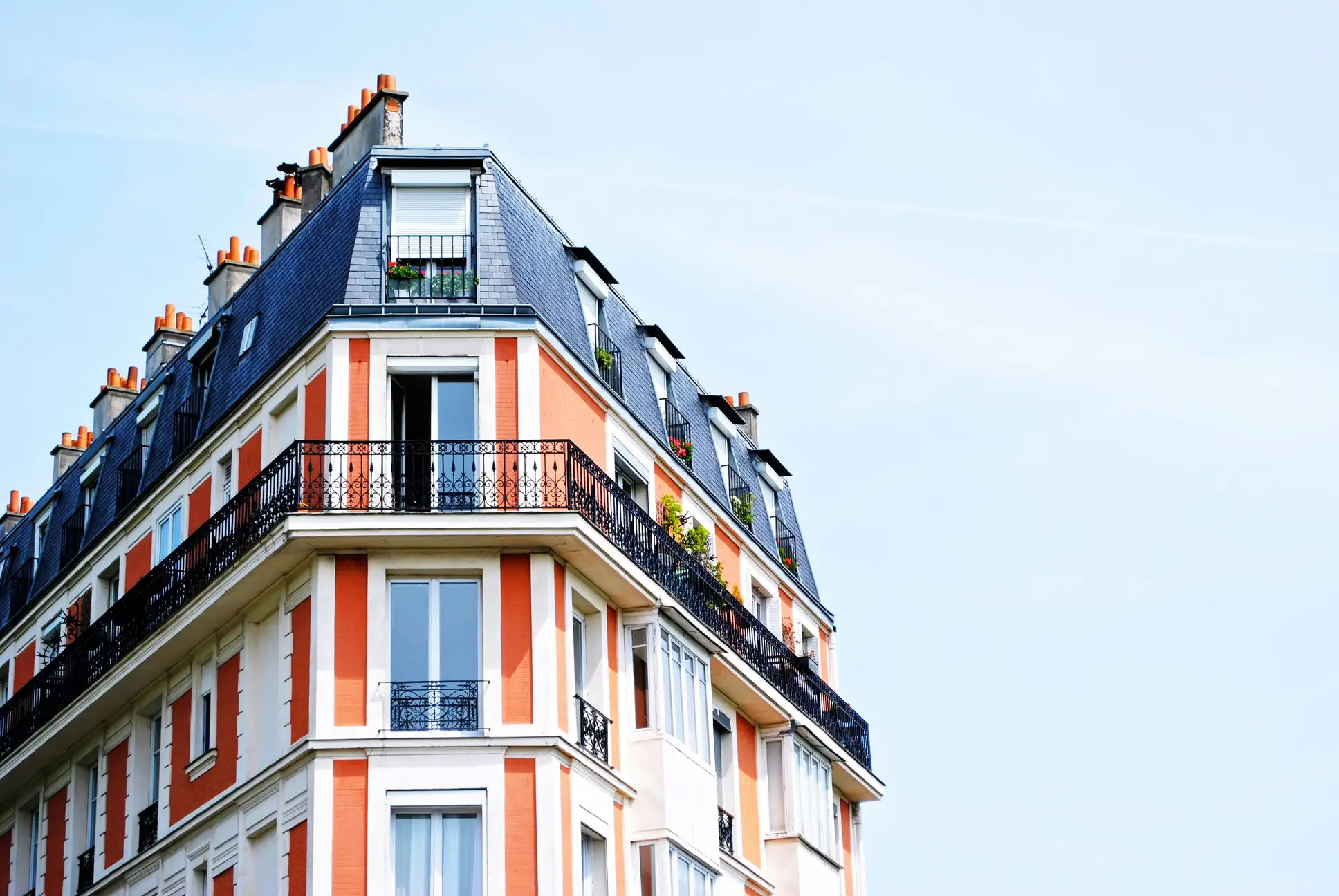
Energy losses in buildings generally occur in the following areas: Building envelope: The building envelope includes building elements such as external walls, roof, floor and windows. Insufficient insulation, air tightness and other defects in these elements increase heat transfer and cause energy loss. Ventilation and air conditioning systems: Ventilation and air conditioning systems are one of the most important causes of energy loss. Due to reasons such as leaks in air ducts, incorrect design, inadequate maintenance and irregular filter replacement, systems consume unnecessarily much energy. Lighting: Lighting constitutes a significant part of the energy losses of buildings. Factors such as non-functional or unnecessarily on lights, incorrect lighting arrangements, inadequate lighting control and not using energy-efficient lighting systems increase energy consumption. Electronic devices: Electronic devices are another factor that causes buildings to lose energy. Devices in standby mode, computers left on, and other devices consume unnecessary energy. Water heaters: Hot water production accounts for a significant portion of buildings' energy losses. Factors such as inadequately insulated water heaters, unnecessary hot water production, and water leaks that occur during hot water use increase energy loss. For these reasons, in order to reduce energy losses of buildings, the energy efficiency of systems such as insulation, ventilation, lighting, electronic devices and water heaters should be increased. In addition, regular maintenance and checks should be carried out to save energy, devices that are open unnecessarily should be turned off and energy efficient devices should be used. Things to Do During the Construction Phase to Make a Building Energy Efficient In order to make a building energy efficient, the following steps can be taken during the construction phase: Insulation: Building walls, roof and floors should be insulated with high quality insulation materials. In this way, heat loss is reduced and energy efficiency increases. Windows: The insulation of windows can be increased by using energy efficient glass. Additionally, windows must be placed correctly and be the correct size. Opening unnecessary windows also increases energy consumption. Ventilation and air conditioning systems: Ventilation and air conditioning systems are an important cause of energy losses in buildings. Therefore, ventilation and air conditioning systems of the correct size and capacity must be selected and placed correctly. Smart systems that can be automatically adjusted according to external weather conditions should be preferred. Lighting: Energy efficient lighting systems should be used and lighting arrangements should be made correctly. Additionally, the use of natural light can also save energy. Energy efficient devices: Devices used inside the building should be evaluated in terms of energy efficiency and, if possible, energy efficient devices should be preferred. Devices in standby mode consume unnecessary energy, so they must be turned off. Water heaters: High efficiency water heaters should be preferred and water heaters should be insulated. Additionally, water leaks should be prevented while using the water heater. Renewable energy: Utilizing renewable energy sources such as solar energy and wind energy increases energy efficiency and provides an environmentally friendly approach. In addition to the steps mentioned above, building size, shape and intended use should also be taken into consideration in the design of an energy-efficient building. Energy efficiency can be effectively achieved throughout the life of the building by considering it starting from the design phase during the construction phase.

