Renewable energy systems to be used for energy production in buildings
Renewable energy systems in buildings are important for an environmentally friendly and sustainable energy future. Resources such as solar energy, wind energy, geothermal energy and biomass energy are used to meet the energy needs of buildings and reduce environmental impacts. These systems are a critical step in energy efficiency and environmental sustainability. 🌞🌿
Author
Nuri Akmel
Date
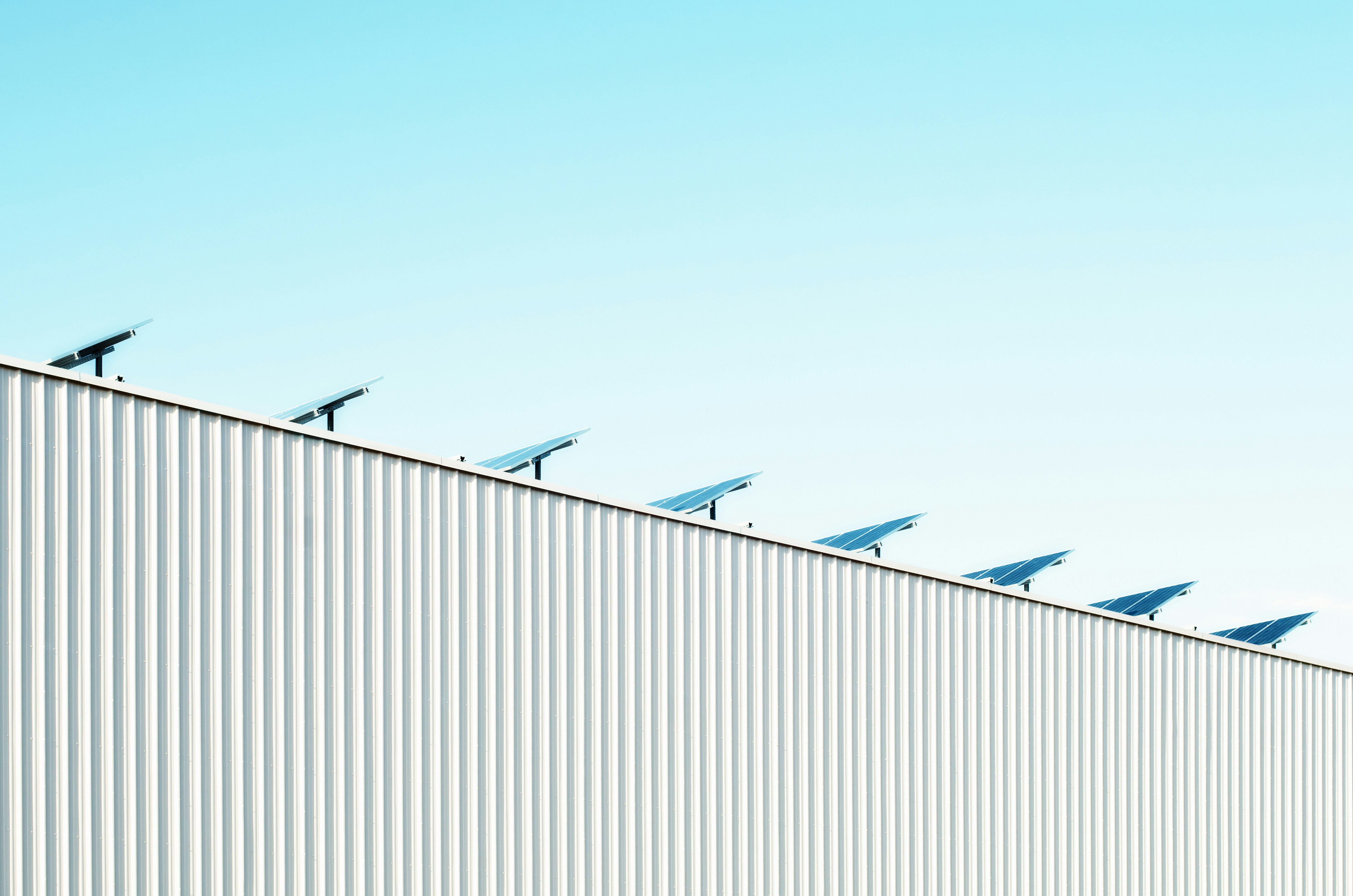
Solar energy: Solar energy panels can meet the building's energy needs by converting solar energy into electrical energy. Solar energy can also be used for water heating systems. Wind energy: Wind turbines can meet building energy needs by converting wind energy into electrical energy. However, in order to achieve optimum efficiency in wind energy production, the correct turbine size and type must be selected, taking into account the wind speed and direction around the building. Hydroelectric energy: Hydroelectric energy produces electrical energy thanks to turbines powered by water flow. This method can be used if there is a stream or water source near the building. Geothermal energy: Geothermal energy is the energy obtained from hot sources on earth. Geothermal energy can be used for heating and cooling systems. Biomass energy: Biomass energy is energy obtained from organic waste or biomass. This energy source can be used to meet building heating and electricity needs. The choice of these renewable energy systems may vary depending on many factors such as building characteristics, climatic conditions, environmental factors and regional legislation. Renewable energy systems provide environmentally friendly energy production while increasing energy efficiency by reducing building energy consumption.
