What is an energy efficient building?
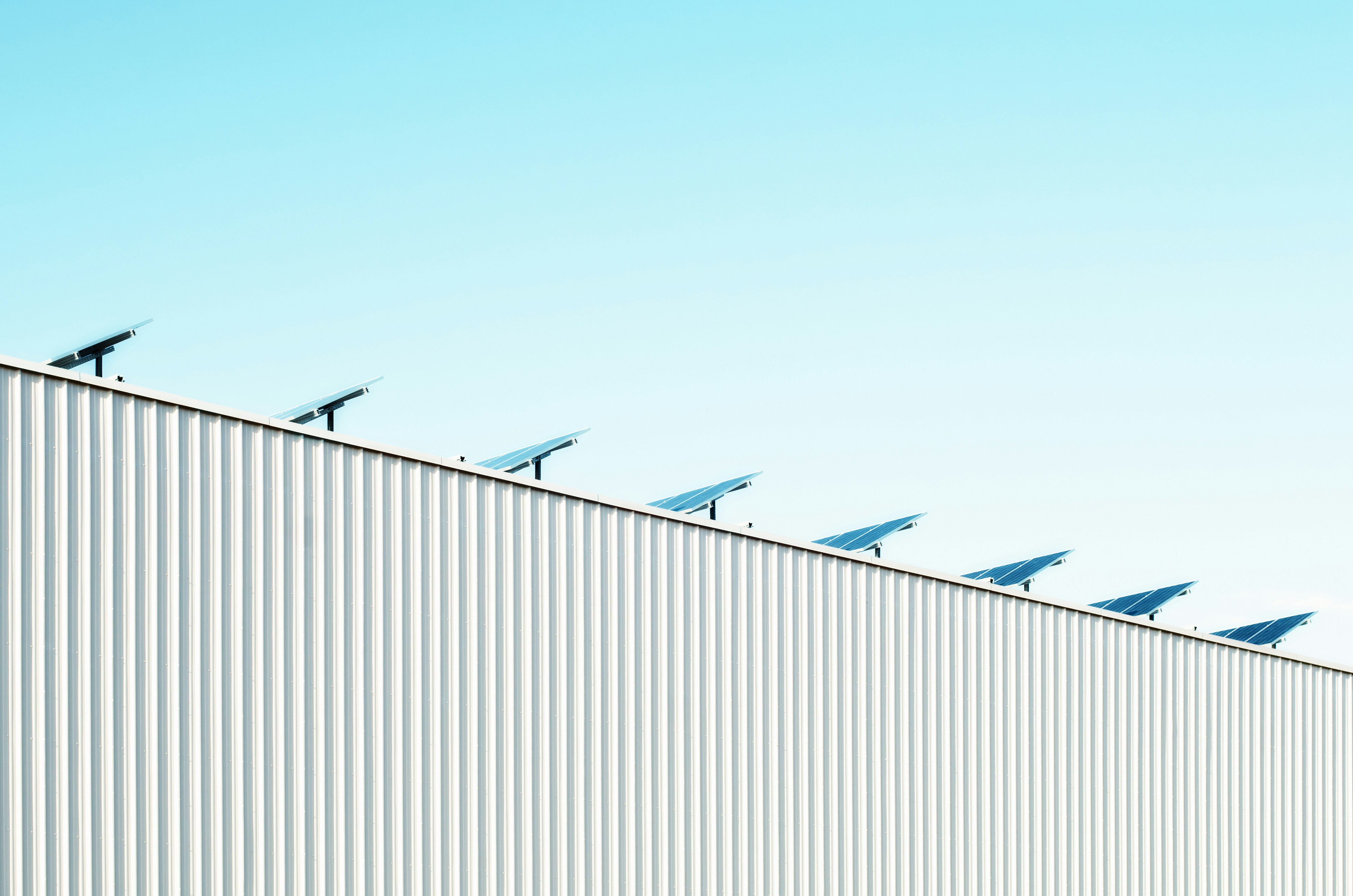
Energy efficient buildings are innovative designs that reduce operating costs while reducing environmental impact. These buildings incorporate a range of innovative technologies and practices, such as high-quality insulation materials, energy-efficient heating, cooling and lighting systems, solar energy, wind energy and other renewable energy sources.
Author
Nuri Akmel
Date

The concept of energy efficient building refers to an approach that aims to increase environmental sustainability by reducing energy use during the design, construction and operation process of a building. This approach allows both reducing environmental impacts and reducing operating costs by increasing building performance and reducing energy consumption. Energy-efficient buildings include a range of innovative technologies and practices, such as high-quality insulation materials, energy-efficient heating, cooling and lighting systems, solar energy, wind energy and other renewable energy sources. In addition, the use of practices such as water saving, waste management and recycling in buildings is a part of the energy efficient building approach. Energy efficient building design aims to reduce energy use in both newly constructed buildings and existing buildings. This approach is considered the basis of a sustainable future, and energy efficient buildings help reduce damage to the environment, ensure more efficient use of energy resources and provide high comfort with low operating costs. What are the Most Used Systems in Energy Efficient Buildings? Many systems can be used in energy-efficient buildings, but the most common and effective systems are: High-efficiency HVAC (Heating, Ventilation, and Air Conditioning) systems: Energy-efficient HVAC systems reduce energy consumption by using components such as high-efficiency heating and cooling equipment, insulation, and air leak reduction technologies. Thus, less energy is consumed to meet the heating, cooling and ventilation needs of the building. Highly efficient lighting systems: Energy efficient lighting systems include technologies such as low energy consumption bulbs, LEDs, automatic lighting control systems and the use of natural light. These systems reduce lighting costs within the building and reduce the impact on the environment by using less energy. Insulation and air sealing systems: Energy efficient buildings reduce heat loss by using high quality insulation materials and air sealing systems. In this way, the heating and cooling need of the building is reduced and energy is saved. Solar energy systems: Solar energy systems are used to meet the electricity needs of the building with solar energy. These systems include technologies such as photovoltaic panels and solar collectors. Solar energy systems reduce environmental impact and reduce energy costs by reducing the energy consumption of the building. Automatic control systems: Automatic control systems are used to optimize energy consumption by monitoring factors such as temperature, lighting and ventilation inside the building. While these systems save energy, they also maintain the comfort level. These systems are the most common and effective systems used in the design and operation of energy efficient buildings. These can be used in combination to increase energy efficiency, reduce operating costs and minimize environmental impact.